

Fulbright-Eszterházy Scholar Award
Hungary
Number of recipients
In addition to being a prestigious academic exchange program, the Fulbright Program is designed to expand and strengthen relationships between the people of the United States and citizens of other nations and to promote international understanding and cooperation. To support this mission, Fulbright Scholars may be asked to give public talks, mentor students, and otherwise engage with the host community, in addition to their primary activities.
The Scholar will be expected to teach two courses, and will be welcome to conduct their own research or join the university’s research projects. If the research component of the award is more substantial, the Scholar will be expected to teach only one course. In the case of teaching/research grants, there is no preference for how scholars divide their time between teaching and research.
They may also take part in other activities within the scholar community at Eszterházy Károly Catholic University such as advising students, assisting with faculty training and curriculum development, meeting with Fulbright alumni, conducting community outreach, engaging with the local English-speaking community, being available to local media and pursuing their own interests.
The Scholar may also have the opportunity to give guest lectures at other Hungarian universities if invited.
Although applicants will be foremost considered for the award to which they apply, applicants may also be considered for one of Hungary’s other awards depending on the level of competition, award availability, and the applicant’s project relevance to other host institutions. The Hungarian-American Fulbright Commission is committed to matching competitive projects with the right partner institution.
Eszterházy Károly Catholic University in Eger in the North of Hungary is one of the oldest higher education institutions in the country. It was founded in 1774, and has served the Northern Hungarian region for nearly three centuries. The university’s historical central building, the Lyceum, houses an impressive Baroque library, one of the first public libraries of the country. Today the university offers BA, BSc, MA, MSc or PhD courses at 5 faculties: Arts and Humanities, Economics and Social Sciences, Natural Sciences, Pedagogy and IT.
Each year the university hosts about 200 international students from 40 different countries around the world. A wide range of courses are taught in English.
Eszterházy Károly Catholic University maintains close contacts with other research institutes and laboratories in the region. Providing students with hands-on experience is a very important aspect of the university’s programs and to this end, Eszterházy Károly Catholic University runs schools and hotels giving students the opportunity to develop their practical skills.
Airport transfer and housing (except utility costs) will be provided by the host university.
All applicants must meet the Program eligibility requirements (click to review the requirements).
Teaching will be in English; additional language proficiency is not required.
Scholars with at least three years of university, college, or community college level teaching experience are welcome.
For further information, please write to Ms. Erika Póczos at beck.erika@uni-eszterhazy.hu.
Eszterházy Károly Catholic University
Information about the City of Eger
$3,400 - $3,600 per month depending on scholars's current academic rank or professional equivalent.
Appr. $225 (HUF 75,000) per month local currency allowance.
The USD amount is subject to small exchange rate fluctuations. Average exchange rate: USD 1 = HUF 330
Housing (except utilities) is provided by the host university.
Reimbursement of actual cost of direct, most economical round-trip airfare for grantees up to $2,000.
Allowance of $100 per month for one dependent and $200 per month for two or more dependents.
Dependent travel allowance of $500 for one dependent and $1,000 for two or more dependents.
Dependents are welcome to participate in the in-country orientation program and in monthly cultural enrichment programs organized by the Fulbright Commission in Hungary.
Dependents must accompany the grantee for at least 80% of the period abroad and a minimum of one semester in order to qualify for additional dependent benefits. Dependent benefits are not provided to Flex grantees.
- Cost of living in Hungary is on average about 30% lower than in the United States.
- Depending on the size and quality of the apartment, housing in downtown Budapest ranges between $600-$1,200 per month.
- Utilities, internet connection, and building maintenance fees average about $150-200 per month; but could be included in the rent.
- Housing and living costs in smaller cities could be somewhat lower.
- Groceries for one person could typically cost between $200-250 per month. Eating out per meal costs approximately $15-30.
- In-country travel costs: monthly Budapest travel pass (unlimited travel on all means of public transportation): $28, a round-trip train ticket between Budapest and another major city: $20-25
- A museum admission ticket is between $10-20, concert tickets (good seats) are between $15-30, opera tickets are more expensive
- Cost of living in Hungary according to: Numbeo Website; Expatistan Website (prices in Hungarian currency, average exchange rate: USD 1 = HUF 330)
One-time settling-in allowance of $300.
Housing (except utilities) and airport transfer will be provided by the host university.
Final grant amounts will be determined prior to the start of the academic year and are subject to the availability of funds. The United States Department of State and the Fulbright Commission in the host country reserve the right to alter, without notice, participating countries, number of awards and allowances.
Hungary
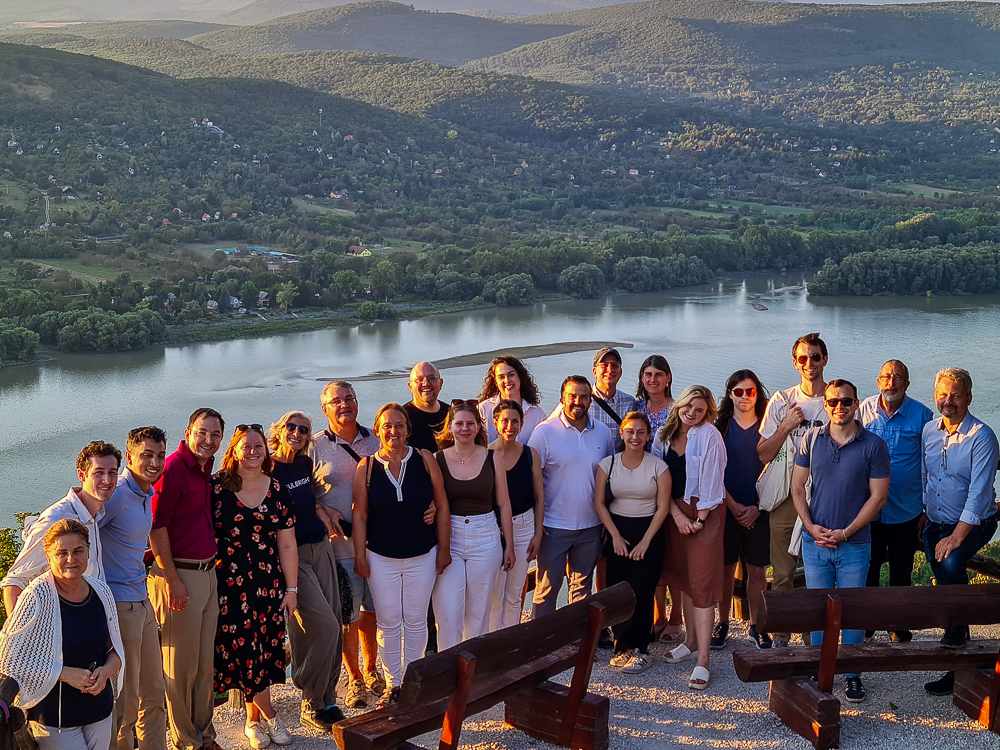
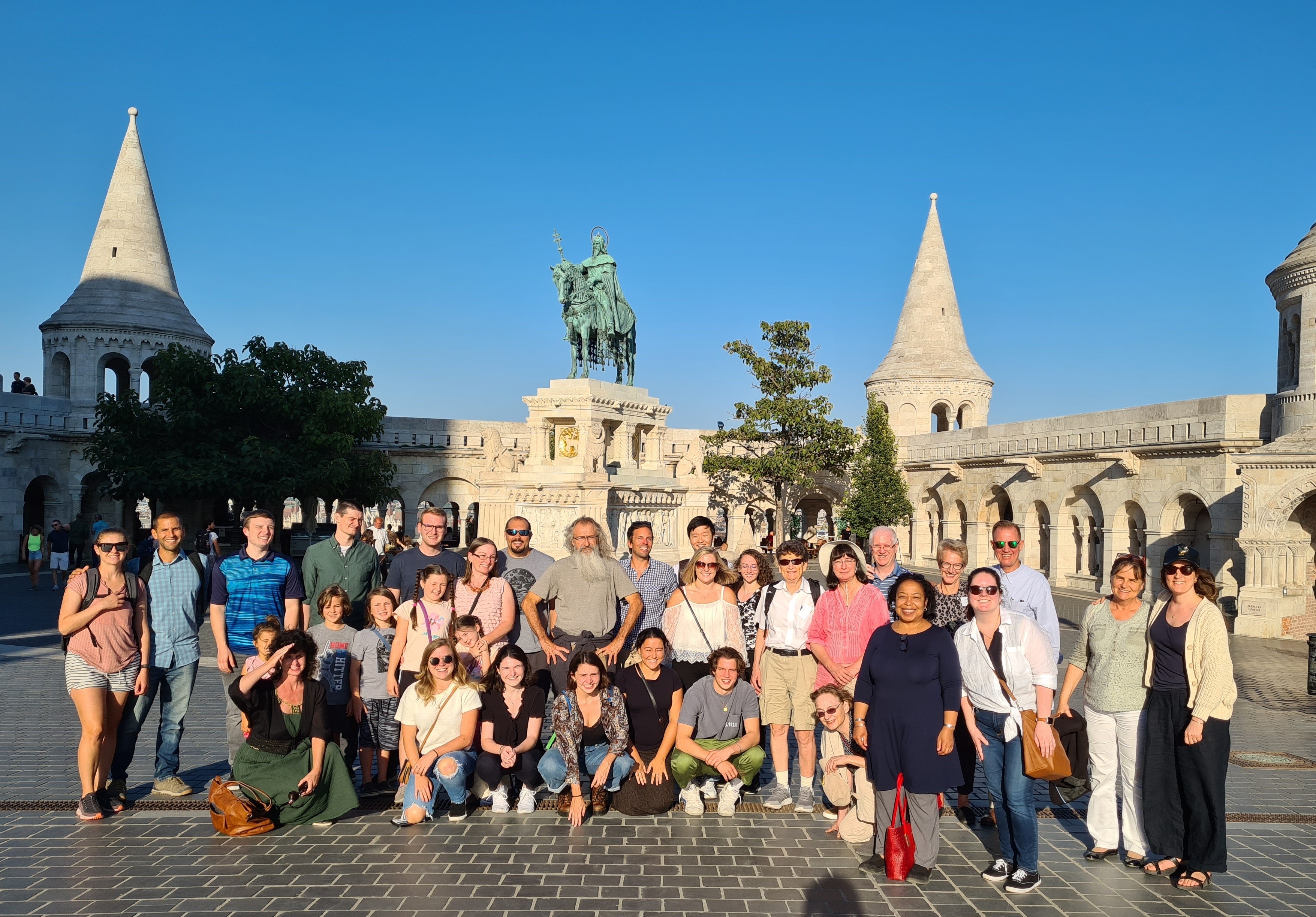
Hungary is a welcoming country that boasts rich cultural and educational traditions. Because the country has historically been the crossroads to many different cultures, our Fulbrighters will be able to witness these influences first hand. From Roman, Romanesque, medieval and neoclassical architecture, Turkish mosques and spas, an abundant art and music presence, and the diverse cuisine; there is sure to be something to intrigue everyone. Hungary has produced numerous Nobel laureates across various fields, including scientists like Katalin Karikó (Medicine, 2023), Ferenc Krausz (Physics, 2023), and Literature winners Imre Kertész (2002) and László Krasznahorkai (2025).
The Hungarian higher education system is part of the European Higher Education Area. The country has many well-known universities and research institutions with strong international connections, joint programs, and many international students. The academic year is from September to June. Semesters are four months in length. The fall semester starts in September, the spring semester in February. English language is sufficient for teaching and research in all fields. Over 700 study programs in English and other foreign languages are offered by Hungarian higher education institutions, see Study in Hungary.
The Fulbright Program enjoys high prestige in Hungary. The Fulbright Commission in Budapest offers grantees thorough assistance during their preparation for their grant period in Hungary, with finding housing and with their entry visa/residence permit application. Fulbright grantees are exempt of paying the visa/residence permit application fee.
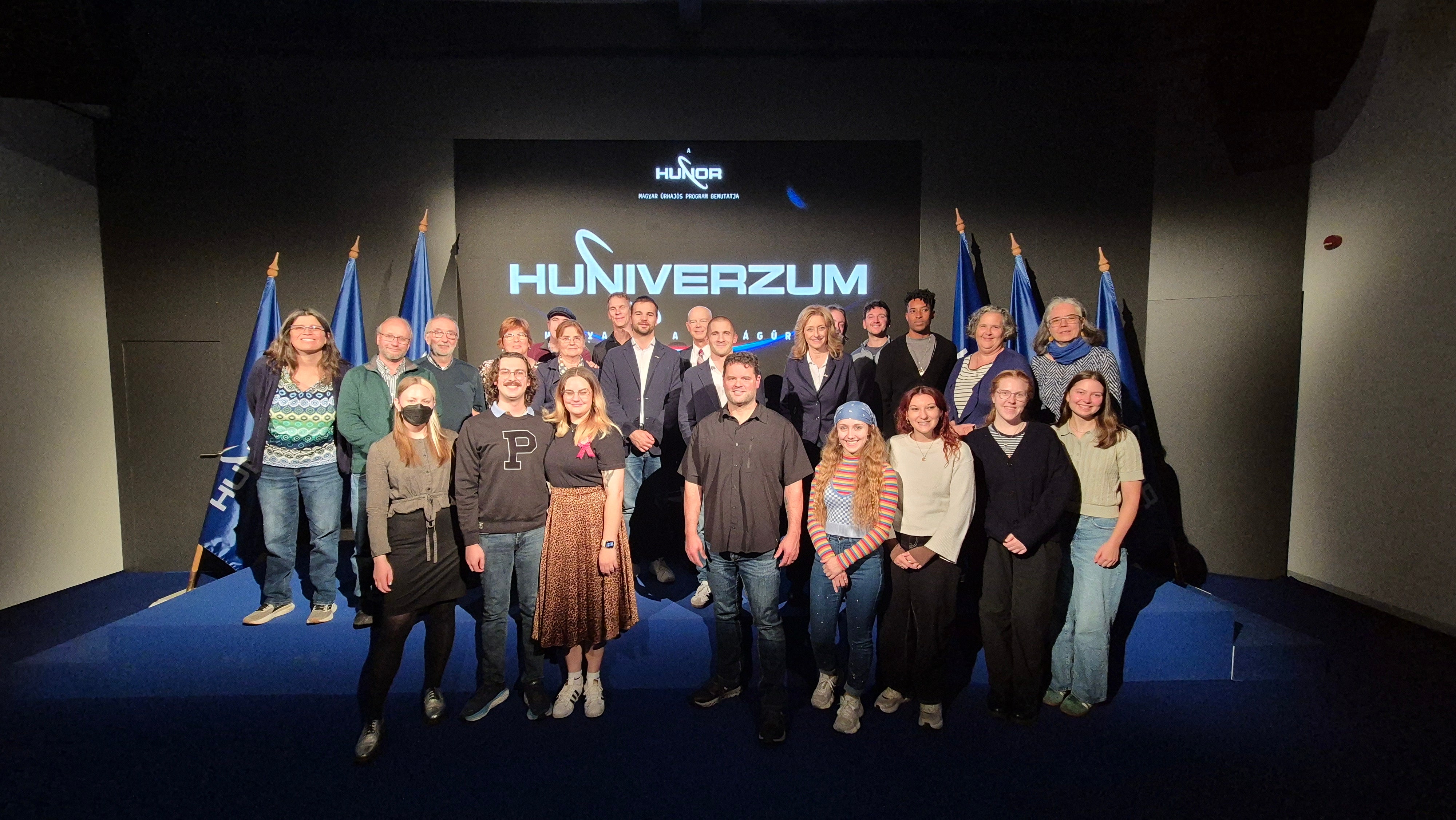
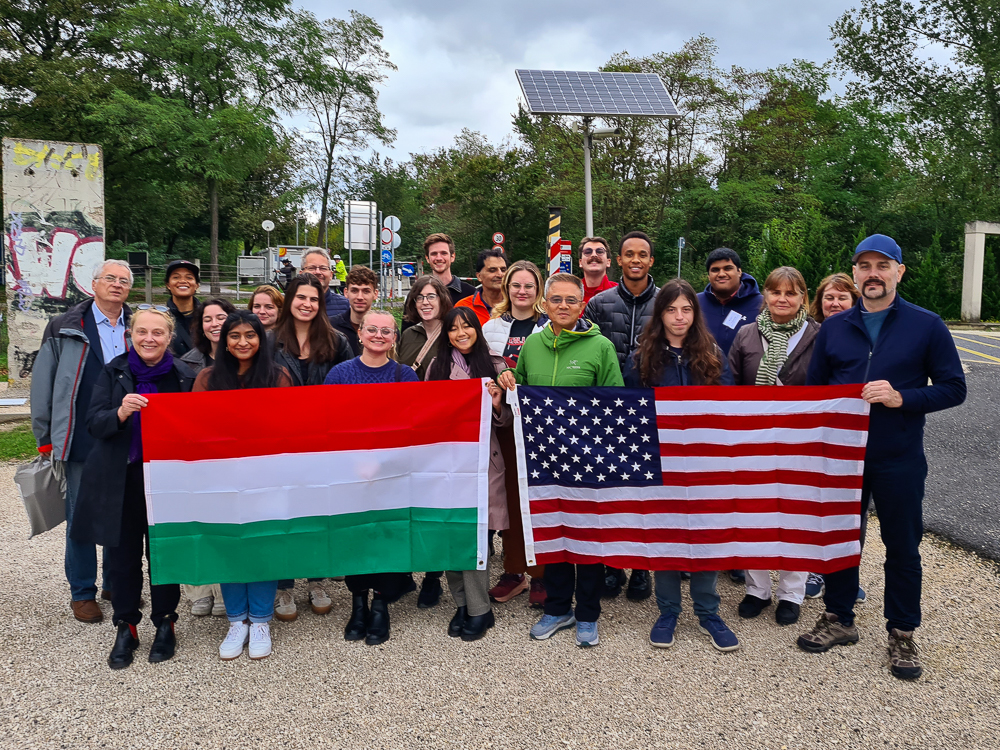
The Commission organizes an extensive four-day orientation program for the newly arrived U.S. grantees. The orientation program provides an overview of Hungarian history, culture, and introduces grantees to current academic, political and practical issues. All through the grant period, grantees are regularly invited to participate in cultural enrichment programs. These monthly meetings, trips, cultural events and conferences offer interesting insights into Hungarian culture and different kinds of institutions, and also foster team spirit among grantees. Grantees are also welcome to set up individual meetings with Commission staff. Fulbright Hungary pays special attention to grantees with families, welcoming spouses and children too. Dependents can choose from the numerous cultural opportunities (museums, galleries, musical events, libraries, programs for children, volunteer opportunities) all Hungarian cities offer. Medical care in Hungary is extensive. Doctors are well-trained. Grantees and dependents can use the services of state-run medical institutions or private English-language clinics.
English language schools (pre-K-12) are located in Budapest only. In major cities, there are dual-language high schools where specific subjects are taught in English.
Hungary is considered to be a very safe country with beautiful architecture, abundant cultural opportunities, great food, and pleasant weather. Public transportation in the capital city is extensive and inexpensive: buses, trams, metro cars, trolley buses, suburban trains run frequently. The network of intercity trains and buses offer good service to cities in the countryside.
Applications are welcome in all fields. Please see specific awards for areas of interest. Dual affiliations may be possible.
A few quotes from previous Fulbright recipients:
’"The long-term impact of my Fulbright research grant will no doubt be great. The scholars that I met in Hungary I will present at conferences with and collaborate with for the rest of my career. This is all on top of four solid months of archival research that would not have been possible without this grant. Fulbright is the single most defining aspect of my academic career, and will be responsible in some way for everything that comes after.’" (Professor of History)
"I would not be the musician or teacher that I am today without the brilliant people of the Fulbright Program, specifically the Hungarian Fulbright Commission in Budapest. They believed in my purpose and dedicated the resources necessary for my year at the Kodály Institute in Kecskemét, Hungary. This experience was life-changing, and continues to inspire me. This book is my best effort to share the incredible Hungarian approach to music education. I hope that this mission to share Kodály with the horn community expresses my deep appreciation for the opportunity to be at the Institute. Participation in the Fulbright program in Hungary was the single most impactful formative experience of my life." (Professor of Music)
"Budapest is a city that effortlessly blends history, culture, and creativity, making it truly mesmerizing. Its majestic architecture, from the grandeur of the Parliament building to the timeless elegance of Buda Castle, tells stories of centuries past. It’s a city that doesn’t just showcase art; it lives and breathes it, creating an inspiring experience for everyone who visits. I love Budapest!" (Professor of Medical Physics)
For more information about working and living in Hungary, please visit the following links:
Choose Hungary: Why was Hungary your destination?
What did you achieve thanks to Fulbright?
Recent Fulbright U.S. Scholar alumni available for reference:
Rahul Razdan (research) rahul@razinstitute.com ra
Sabrina Pasztor (teaching) sabrinakim.pasztor@uni-corvinus.hu
Lourenco Paz (teaching/research) Lourenco_Paz@baylor.edu
Prospective applicants may contact the Hungarian-American Fulbright Commission for Educational Exchange for advice or for further information:
Dr. Károly Jókay, Executive Director, email: director@fulbright.hu
Annamária Sas, American Program Officer, email: sas@fulbright.hu
Website: www.fulbright.hu
Visit our Scholar Directory to view and search all Fulbright alumni. You can also learn more about Fulbright Alumni Ambassadors.