

All Disciplines
Costa Rica
Number of recipients
In addition to being a prestigious academic exchange program, the Fulbright Program is designed to expand and strengthen relationships between the people of the United States and citizens of other nations and to promote international understanding and cooperation. To support this mission, Fulbright Scholars may be asked to give public talks, mentor students, and otherwise engage with the host community, in addition to their primary activities.
Teach and conduct a professional and/or artistic project or conduct research in any area of interest. For teaching/research projects, candidates should plan a 60/40 ratio between teaching and research.
Scholars typically affiliate with one of the institutions listed below:
University of Costa Rica (UCR)
National Autonomous University (UNA)
Costa Rica Technological Institute (TEC)
National University of Distance Education (UNED)
Universidad Técnica Nacional (UTN)
EARTH University
INCAE Business School
CATIE (Tropical Agricultural Research and Higher Education Center)
University for Peace https://www.upeace.org/
Ministry of Public Education https://www.mep.go.cr/
Applications for other universities are considered by the U.S. Embassy on a case-by-case basis.
If the grantee is in the field of English teaching, the embassy requests that they also work with the Ministry of Public Education, in addition to the university host institution.
Grants may begin in August 2027 or later. Start date must be coordinated with the host institution in Costa Rica. The academic year at public universities begins in February/March and ends in November/December with a break in July.
Post may require further screening by interviewing scholars previous to being selected. Candidates will be contacted directly by Post.
All Scholars to Costa Rica are required to attend a pre-departure orientation, which typically takes place in June or July, prior to beginning their Fulbright grant.
The Flex Award is designed for scholars who require multiple visits to the host country. This option allows grants to be conducted over two or three short segments. Applicants must select Flex in the application form, and clearly describe their plans for Flex in their project statement, including a project timeline. Flex grantees may be asked to give public talks, mentor students, and otherwise engage with the host-country academic community.
Flex awards are offered for research grants only.
Applications are sought in all appropriate disciplines.
Applications in Science, Technology, Engineering, and Mathematics are of particular interest. TEFL applications are also a priority for the embassy, especially those that emphasize ESP and professional development.
The following disciplines are also encouraged: the environment, energy, sustainable development, economics and international trade, economic and tax reform, legislative reform, governability, political science, linguistics, and journalism.
- Post San Jose provides guidance and companionship for visa procedures available in country.
- Be aware that Post does not get involved in housing, but host institutions do provide guidance on the best and most affordable safe places to stay.
- Manage your expectations. If placed in rural areas, the grant does not cover the cost of a rental car. The use of public transportation is highly encouraged.
- Scholars in the Greater Metropolitan Area (GAM) are advised to select housing with a favorable distance ratio to their host institution ideally within the same town or in a neighboring community as traffic within the GAM can be difficult to navigate during peak hours, even if it looks like a close distance.
- Fulbrighters are expected to attend monthly virtual meetings with the embassy.
- Grantees are typically invited to official embassy events.
All applicants must meet the Program eligibility requirements (click to review the requirements).
Applicants are strongly encouraged to contact the proposed host institution to discuss the proposed project and ensure that the institution is willing to be a host and provide the institutional support necessary to carry out the project.
Applicants are encouraged to consult the American Council on the Teaching of Foreign Languages (ACTFL) “Can-Do Statements” to determine if they are qualified.
Applicants are encouraged to register qualified language evaluator, such as a language instructor or a translator, to conduct the external assessment in the application. Being a native speaker alone does not qualify an individual to conduct the assessment.
Applicants who are native speakers do not need to complete an external evaluation.
Appropriately qualified professionals outside of academia are not required to have a Ph.D. or other terminal degree.
Applicants in academia must hold a terminal degree.
You may be asked to participate in an interview as part of the in-country selection process.
Candidates may be interviewed at Post's discretion based on the needs of the program.
Angie Robles
Professional Exchanges Coordinator
U.S. Embassy San José, Costa Rica
Public Diplomacy Section
+506-2519-2211
$3,000
For Flex grants: round trip travel will be included for each segment of the grant for the grantee only. Dependent travel will not be provided.
$1,000 books and educational materials allowance for teaching and teaching/research grants; should be donated to the host institution (or other entity) upon grantee's departure.
$300 - $500 research allowance for research-only grants.
Additional living and housing allowance is provided for grantees with one accompanying dependent or two or more accompanying dependent. These amounts range from $300/month to $600/month.
In addition, travel allowances are provided for up to two dependents. These amounts range from $1,150 to $2,300.
Dependents must accompany the grantee for at least 80% of the period abroad and a minimum of one semester in order to qualify for additional dependent benefits. Dependent benefits are not provided to Flex grantees.
Estimated cost of living for a scholar with no accompanying dependents is $775 per month. The estimated monthly housing cost is $1175. You may choose to use a cost-of-living calculator to further investigate the costs of common goods and services in Costa Rica.
During their grant period, Fulbright U.S. Scholars in the Western Hemisphere (WHA) region may apply for a short-term regional travel grant for activities such as workshops, seminars, presentations, lectures, performances, exhibits, curricular advising and similar projects at institutions in eligible WHA countries. (Argentina, Bahamas, Barbados and Eastern Caribbean, Belize, Bolivia, Brazil, Canada, Chile, Colombia, Costa Rica, Dominican Republic, Ecuador, El Salvador, Guatemala, Guyana, Honduras, Jamaica, Mexico, Panama, Paraguay, Peru, Suriname, Trinidad & Tobago and Uruguay).
The Regional Travel Program covers travel to and from the destination; lodging may be offered by the host institution. Scholars may only apply for this grant once they are in country on their Fulbright grant. Scholars who apply for the Flex award are ineligible for the Regional Travel Program. Additional information can be found on the Regional Travel Program website.
Please refer to the figures above for an estimate of total monthly Fulbright award benefits. Benefits may include a monthly base stipend, living and housing allowances, and additional one-time allowances. Benefits may vary based on a scholar's current academic rank (or professional equivalent), the city of placement, the type of award (teaching, teaching/research, or research), and the number of and duration of stay of accompanying dependents. Research-only or Professional Project grantees receive a standard stipend that is not adjusted for academic rank. In most cases, dependent benefits will not be provided to Flex grantees, or to grantees pursuing grants less than four months (or a semester) in length.
Final grant amounts will be determined prior to the start of the academic year and are subject to the availability of funds. The United States Department of State reserves the right to alter, without notice, participating countries, number of awards and allowances.
Costa Rica
A Fulbright award to Costa Rica offers grantees a variety of benefits, including a convenient location, easy, and short flights from the United States, affordable housing, well-respected higher learning institutions, a pleasant climate, great natural beauty, and a strong Fulbright tradition.
Costa Rica, an OECD member since 2021, has long been recognized for its democratic stability and environmental leadership, becoming the first tropical country to reverse deforestation. However, its development model now faces multiple challenges. Greenhouse gas emissions have risen sharply in recent decades, and 78% of the population is considered at high risk from climate change. Income inequality is also among the highest in the OECD, with a GINI coefficient of 49.2 in 2024. Despite significant investment in education, learning outcomes remain low; Costa Rican students scored well below the OECD average in the 2022 PISA tests. Additionally, the country is navigating increased migration and shifts in global trade. To promote inclusive and sustainable growth, Costa Rica must improve revenue mobilization, enhance spending efficiency, particularly in infrastructure and social sectors, and reinforce institutional coordination. These steps are essential to reduce poverty and inequality, lower emissions, and strengthen climate resilience.
Source:
World Bank. (2024). The World Bank in Costa Rica – Overview. https://www.worldbank.org/en/country/costarica/overview
When making your final decision to apply for a Fulbright in Costa Rica. Do not miss the video below!
“My experience in Costa Rica was a bit different from most, as I worked largely independently and spent the entire time collecting data in the field. However, I did receive extraordinary support from the Embassy as I negotiated the tortuous Visa process” (Wade Worthen, U.S. Fulbright Scholar, 2023).
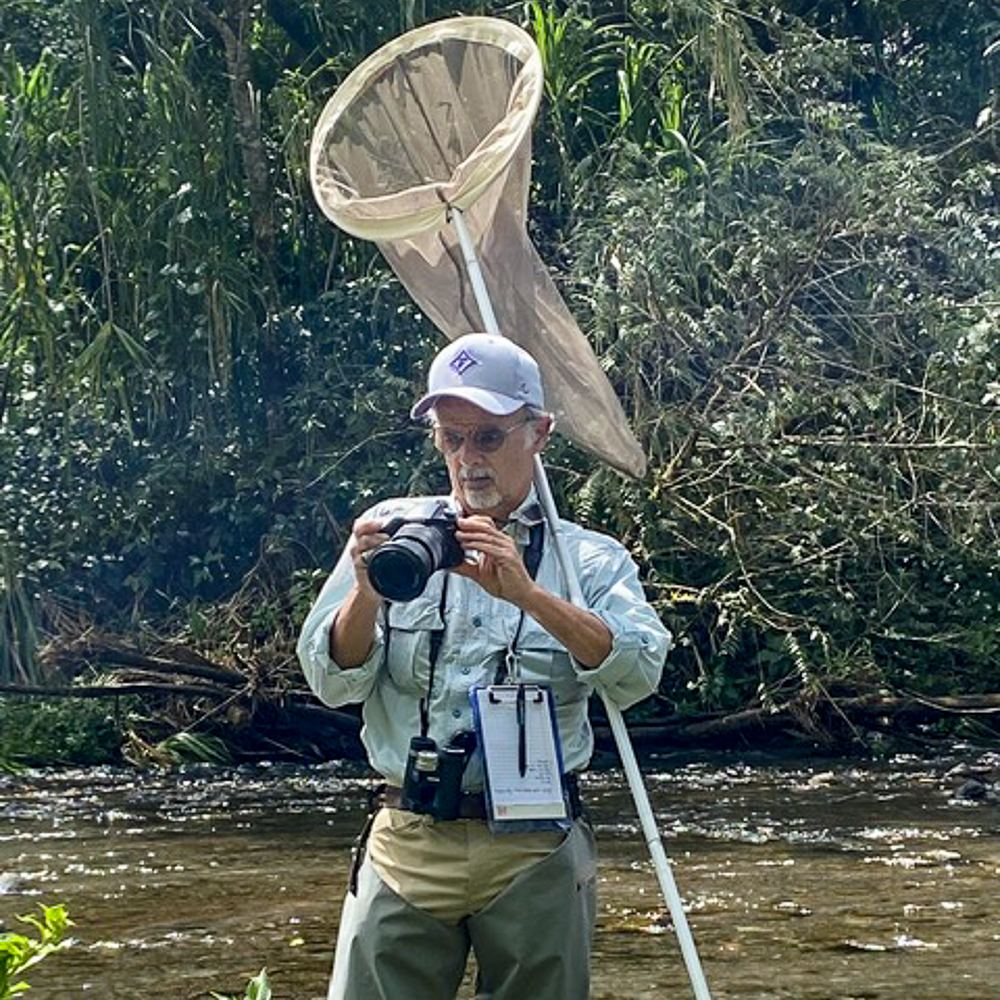
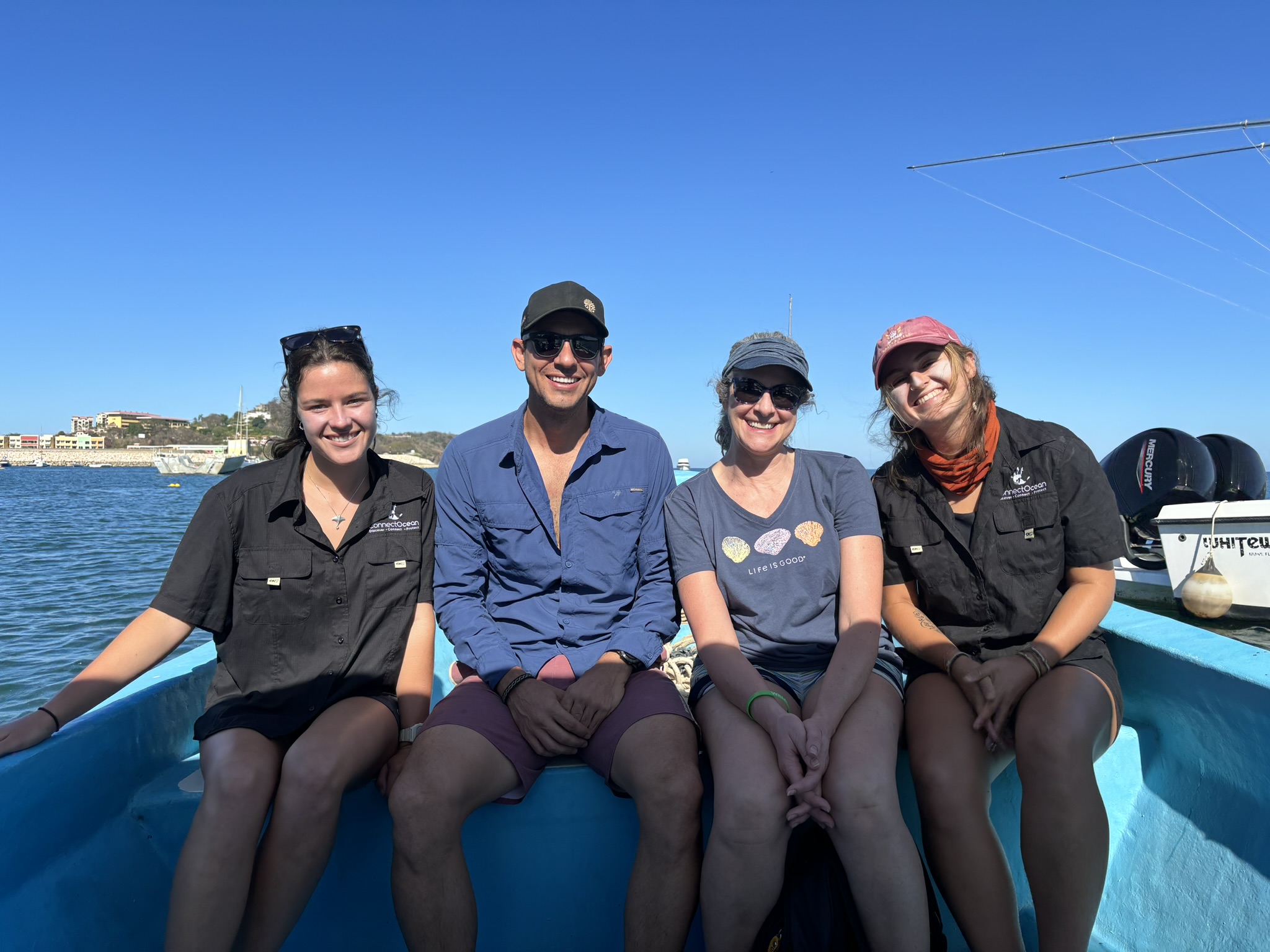
“I spent three months in Guanacaste, as a Fulbright Global Scholar, to study social-ecological systems (SES) around forest restoration and marine protection. I was hosted by the research division of the Guanacaste Conservation Area. I will be forever grateful for all the adventures and lasting friendships!” (Jeanie Bukowski, U.S. Fulbright Global Scholar, 2023).
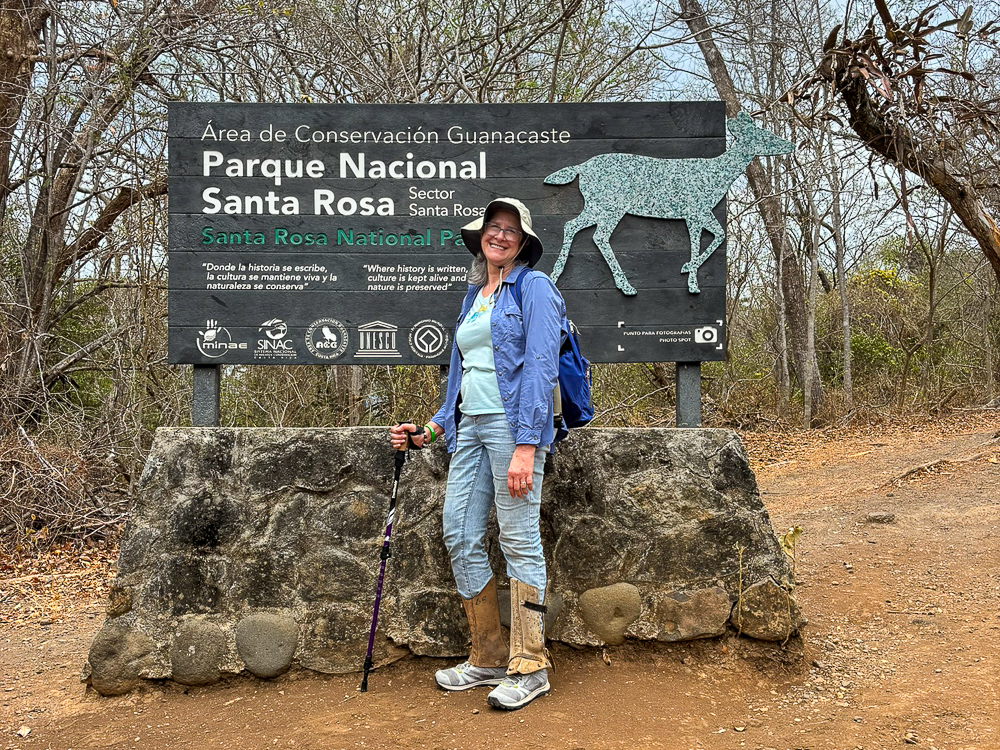
"My fieldwork in Costa Rica helped me grow as a scholar and steward for intercultural education. Having the support of a Fulbright Fellowship ensured that my dissertation fieldwork would be adequately funded and organized. I am forever grateful to Fulbright and hope it can continue to help educators and researchers be curious and caring across the world". (Kyle Kopsick, Fulbright Hays, 2024).
"During my six months as a U.S. Fulbright Scholar in Costa Rica, I had the opportunity to dive even more deeply into my research on sustainable urban development than I had hoped. I also had the chance to make connections with Costa Rican scholars and practitioners that I will continue to build on for years to come". (Corina Mckendry, U.S. Fulbright Scholar, 2025).
Click here for a full list of Fulbrighters to Costa Rica.
Visit our Scholar Directory to view and search all Fulbright alumni. You can also learn more about Fulbright Alumni Ambassadors.
It is the responsibility of the applicant to finalize arrangements with the host institution and to make their own housing arrangements. Start dates vary according to the selected university. Applicants should consult with their hosts to ensure that grant dates correspond to the institution's academic calendar. The U.S. Embassy's Public Diplomacy Section will provide information about host institutions upon request. Inquiries may be directed to Angie Robles.